Source breathable eva water shoes for beach, pool, and hiking
Find 30 listings for breathable eva water shoes with rubber or EVA insoles and mesh uppers. Buyers can compare models like JF-4016 and 1811, noting features such as anti-slip patterns and waterproof options for outdoor activities.
Key considerations
Products List




Comprehensive Sourcing Guide
Strategic Sourcing Guide for Breathable EVA Water Shoes
Understanding Product Definitions and Core Attributes
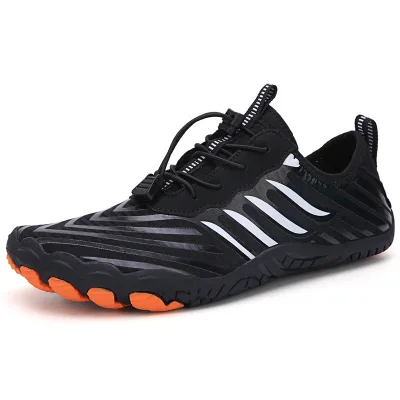
When initiating a procurement strategy for breathable EVA water shoes, buyers must first establish a precise definition of the product category based on available market data. The core keyword "breathable eva water shoes" refers to aquatic footwear designed for wet environments, characterized by specific material compositions and functional attributes. In the current supply landscape, these products are frequently categorized under "Water Shoes," "Swimming Anti-slip Beach Shoes," or "Aqua Shoes." The primary material composition often involves a combination of Rubber and stretch Fabric, or Mesh and Cotton Fabric, with the insole specifically utilizing EVA (Ethylene-Vinyl Acetate) or Rubber to provide cushioning and structural integrity.
A critical distinction in this category is the balance between breathability and waterproofing. While the search term emphasizes "breathable," market observations indicate a divergence in product specifications. Some listings explicitly state "Waterproof" attributes, while others clearly define the product as "Not Waterproof." This suggests that "breathable" in this context often refers to the upper material's ability to allow air circulation and quick drying, rather than a complete seal against water ingress. Buyers should verify whether the specific model requires a waterproof rating or if the intended use case is for wet environments where rapid drainage and ventilation are the priority. The "Shock Absorption Spring" feature and "Anti-slip Pattern" on the sole are common technical additions designed to enhance safety during beach walking or outdoor activities.
Technical Specifications and Material Composition
The technical viability of a water shoe order depends heavily on the granular details of material composition and sizing standards. Based on observed product data, the insole material is a pivotal specification, with variations ranging from Rubber to EVA. The EVA insole is particularly relevant for the "breathable" keyword, as it offers a lightweight, shock-absorbing profile suitable for extended wear in aquatic settings. The upper material typically consists of Mesh or Fabric, often paired with a Cotton Fabric lining to ensure comfort against the skin. The combination of these materials creates a shoe that is both resilient and breathable, meeting the demands of summer outdoor activities.
Sizing standards present another area requiring careful verification. The market data reveals a wide range of size specifications, with some models covering sizes 35-46, while others extend from 34-49 or 39-50. This variability indicates that suppliers may use different regional sizing charts or target different demographic segments. Buyers must cross-reference the supplier's specific size chart with their target market's requirements. For instance, a model with a size range of 35-46 may not accommodate larger adult feet, whereas a 34-49 range offers broader inclusivity. Additionally, the "Elastic Band" close pattern is a common feature, providing a secure fit without the need for traditional laces, which is advantageous for water sports where debris or water can clog traditional fasteners.
| Specification Category | Observed Variations | Procurement Consideration |
|---|---|---|
| Insole Material | Rubber, EVA | Verify shock absorption needs; EVA is lighter, Rubber is more durable. |
| Upper Material | Mesh, Fabric, Rubber+stretch | Mesh offers maximum breathability; Fabric may offer more structure. |
| Size Range | 35-46, 34-49, 39-50, 39-46 | Confirm alignment with target demographic foot sizes. |
| Water Resistance | Waterproof, Not Waterproof | Clarify if the product is for submersion or wet-surface walking. |
| Sole Feature | Anti-slip Pattern | Essential for safety on wet rocks or pool decks. |
Compliance, Certification, and Safety Standards
Navigating the compliance landscape for water shoes requires a nuanced approach, as the supply chain data presents a mix of explicit attributes and general background standards. While specific certifications like CE or ISO 20345 are mentioned in general industry contexts, they are not explicitly confirmed for every listed product in the current dataset. Similarly, standards such as ASTM F2413 are noted as background information but should not be assumed as a default compliance status for all "breathable EVA water shoes."
Buyers must treat certification claims as observations that require verification rather than inherent product traits. The primary safety feature observed is the "Protective Foot Safety" attribute, often linked to the "Anti-slip Pattern" on the sole. This functional design is crucial for preventing accidents in wet environments. However, for specific industries such as construction or heavy industrial use, the absence of a confirmed steel toe or specific impact resistance certification (like ASTM F2413) means the product may not meet regulatory requirements for those sectors.
For general consumer use in beach or pool settings, the focus should be on verifying the "Anti-skid design" and the structural integrity of the EVA insole. Buyers should request test reports or material safety data sheets (MSDS) to confirm that the materials used (Rubber, Mesh, Cotton) are free from harmful substances. If the product is intended for export to regions with strict chemical regulations, verifying compliance with local standards is mandatory. The "No Brand" status of many listed items suggests that these are often OEM or private label products, placing the onus on the buyer to ensure that the manufacturing process adheres to the necessary safety and quality standards for their specific market.
Cost Drivers and Pricing Dynamics
The pricing structure for breathable EVA water shoes is influenced by several key variables, including material costs, customization levels, and order volume. The observed price range in the market spans from $0.99 to $11.00 USD. This significant variance indicates that price is not solely a function of the product type but is heavily dependent on the specific configuration of materials and the level of customization requested.
The primary cost driver is the material composition. Models utilizing a combination of Rubber and stretch Fabric may command a different price point compared to those using simple Mesh and Cotton Fabric. The inclusion of an EVA insole, which provides superior shock absorption, can also influence the cost compared to standard rubber insoles. Furthermore, the "Customization" attribute is a major factor. Products that allow for "Customized Logo" placement or specific "PP Bag/Shoes Box" packaging will likely incur higher unit costs due to the setup and labor involved in branding and packaging.
Order volume plays a critical role in determining the final landed cost. The Minimum Order Quantity (MOQ) ranges from 1 to 800 units, with a specific observation of 2 pairs as a baseline for some suppliers. Buyers purchasing small quantities may face higher per-unit costs, while those ordering in bulk can leverage economies of scale. However, the wide MOQ range suggests that suppliers are flexible, catering to both small boutique retailers and large-scale distributors. Buyers should calculate the total cost of ownership, including shipping and potential customs duties, as the "Place of Origin" is listed as China, specifically Guizhou, which may impact logistics costs depending on the destination.
Typical Applications and Usage Scenarios
The versatility of breathable EVA water shoes makes them suitable for a diverse range of applications, primarily centered around aquatic and outdoor environments. The "Occasion" attribute is consistently listed as "Outdoor Activities," with specific mentions of "Beach Water Walking" and "Aqua Shoes" usage. These products are designed to protect feet from hot sand, sharp rocks, and slippery surfaces while allowing water to drain quickly.
The "Summer" season designation highlights the temporal nature of the demand for these products. They are most relevant during warmer months when beach activities, swimming, and water sports are at their peak. The "Fashionable" style attribute suggests that these shoes are not merely functional but also serve as a fashion accessory, appealing to consumers who value both performance and aesthetics. The "Unisex" gender classification further expands the potential market, allowing buyers to target a broad demographic without needing to manage separate inventory lines for men and women.
In addition to recreational use, the "Protective Foot Safety" feature indicates potential utility in light industrial or work environments where wet conditions are present. However, the distinction between "Waterproof" and "Not Waterproof" models is crucial here. "Not Waterproof" models are ideal for activities where the shoe will be submerged and needs to dry quickly, such as kayaking or snorkeling. Conversely, "Waterproof" models may be better suited for activities where keeping the foot dry is a priority, such as fishing in shallow water or walking on wet pavement. Buyers must align the product's water resistance capabilities with the specific use cases of their end customers.
Supplier Evaluation and Quality Control Protocols
Selecting the right supplier for breathable EVA water shoes requires a rigorous evaluation process that goes beyond price and MOQ. The "Place of Origin" is identified as Guizhou, China, a region known for its manufacturing capabilities. However, buyers should not assume uniform quality across all suppliers in this region. The presence of multiple model numbers (e.g., JF-4016, JF-4013, 1811, 2406011) suggests a diverse product portfolio, and each model may have different quality control standards.
Quality control should focus on the integrity of the materials and the construction of the shoe. Buyers should verify the bond between the EVA insole and the upper material, as delamination is a common failure point in water shoes. The "Anti-slip Pattern" must be tested for durability and effectiveness on wet surfaces. Additionally, the "Elastic Band" closure should be checked for tensile strength to ensure it does not stretch out of shape after repeated use. The "Single package size" of 35x15x15 cm and "Single gross weight" of 1.0 kg are useful metrics for logistics planning, but buyers should also inspect the actual packaging quality to prevent damage during transit.
When evaluating suppliers, buyers should request samples to verify the "Color" accuracy, as many listings state "as picture" or "Multi." This can lead to discrepancies between the marketing images and the actual product received. Furthermore, the "Logo" customization capability should be tested to ensure the print quality meets the buyer's brand standards. The "PP Bag/Shoes Box" or "PVC Bag" packaging options should be assessed for their ability to protect the product and maintain its aesthetic appeal. A reliable supplier will provide consistent quality across batches and be transparent about any potential defects or variations in the manufacturing process.
Long-Term Procurement and Inventory Management
Sourcing breathable EVA water shoes for the long term requires a strategic approach to inventory management and supply chain resilience. The "Customization" availability offers a significant advantage for buyers looking to build a unique brand identity. However, customization often leads to longer lead times and higher minimum order quantities. Buyers must balance the desire for unique branding with the need for rapid inventory turnover, especially given the seasonal nature of the product.
The "Summer" seasonality means that demand for these products will fluctuate throughout the year. Buyers should plan their procurement cycles to align with the peak season, ensuring that inventory arrives well before the summer months to avoid stockouts. The wide range of MOQs (1-800) allows for flexibility, but buyers should consider the cost implications of holding inventory. Ordering in larger quantities may reduce the per-unit cost but increases the risk of overstocking if the product does not sell as expected.
Long-term success also depends on maintaining a relationship with suppliers who can adapt to changing market trends. The "Fashionable" aspect of these shoes suggests that styles and colors may change rapidly. Buyers should work with suppliers who can offer quick turnaround times for new designs and colors. Additionally, the "No Brand" status of many products indicates that buyers have the opportunity to create their own brand, but this requires a commitment to consistent quality and marketing. By focusing on the core attributes of breathability, safety, and comfort, buyers can build a loyal customer base that values the functional benefits of EVA water shoes.
In conclusion, the procurement of breathable EVA water shoes involves a complex interplay of material selection, compliance verification, cost management, and supplier evaluation. By adhering to the observed specifications and maintaining a rigorous quality control process, buyers can successfully navigate the market and secure high-quality products that meet the diverse needs of their customers. The key to success lies in understanding the nuances of the product category and making informed decisions based on verified data rather than assumptions.
FAQs
What materials are used for the insole in these shoes?
The insole material is typically EVA or Rubber, depending on the specific model. EVA provides lightweight shock absorption while Rubber offers durability, and both are designed for comfort during summer water activities.
Can I customize the logo on these water shoes?
Yes, customization is available for the logo on these products. Buyers can request a customized logo placement, often paired with specific packaging options like PP bags or shoe boxes to meet branding needs.
Which size ranges are available for these models?
Available size ranges vary by model, covering spans from 34-49 up to 39-50. Specific models may list sizes like 35-46 or 36-46, so buyers must verify the exact chart for their target demographic.
How much is the minimum order quantity for these shoes?
The minimum order quantity ranges from 1 to 800 units, with some suppliers listing a baseline of 2 pairs. This flexibility allows buyers to source small batches or large volumes depending on their inventory strategy.
Are these shoes waterproof or just water-resistant?
Product listings show a divergence where some are marked Waterproof while others are explicitly Not Waterproof. Buyers should verify the specific model's water resistance rating to ensure it matches their intended use case.
What is the typical price range for these water shoes?
The observed price range spans from 0.99 to 11 USD per unit. This variance depends on material composition, customization levels, and order volume, with higher customization often increasing the unit cost.